
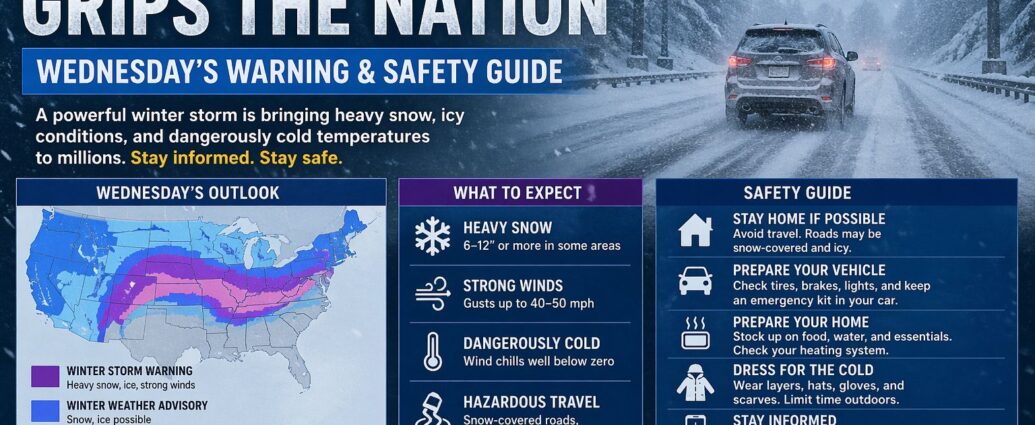
The bite of winter is here, and for many, it’s more than just a chilly breeze. A significant winter storm is impacting various regions, and a winter storm warning remains in effect for Wednesday. Understanding the implications of this warning and how to prepare can make all the difference. This isn’t just about an inconvenience; it’s about safety, preparedness, and navigating potentially hazardous conditions.
Are you among those facing icy roads, power outages, and disrupted routines? This article provides need-to-know information, practical tips, and expert insights to help you weather the storm with confidence and keep you, your family, and your property safe. Let’s dive in.
Understanding the Winter Storm Warning
A winter storm warning isn’t issued lightly. It signifies that hazardous winter weather is imminent or already occurring. Here’s a breakdown of what it means:
-
- Severity: Expect heavy snow, significant ice accumulation, and/or blizzard conditions.
-
- Impact: Travel will become difficult or impossible. Power outages are possible.
-
- Timing: The warning specifies the period when these conditions are expected, in this case, Wednesday.
Pay close attention to the specific details for your area, as these can vary considerably. Local weather forecasts and official alerts from the National Weather Service (NWS) are crucial resources.
Key Components of a Winter Storm
Winter storms can bring a variety of hazardous conditions. Understanding these components helps you anticipate and prepare for specific challenges:
-
- Heavy Snow: Accumulation of several inches of snow can quickly make travel treacherous. Visibility decreases, and roads become slippery.
-
- Ice Accumulation: Freezing rain can coat surfaces with a layer of ice, making walking and driving extremely dangerous. Even a thin layer of ice can cause significant problems.
-
- High Winds: Strong winds can create blizzard conditions (blowing snow and reduced visibility), and they can also down power lines, leading to outages.
-
- Extreme Cold: Sub-freezing temperatures can exacerbate the risks associated with the storm, increasing the likelihood of frostbite and hypothermia.
Preparing for the Winter Storm
Preparation is key to minimizing the impact of a winter storm. Here’s a step-by-step guide to ensure you’re ready:
-
- Stay Informed: Monitor weather forecasts and alerts from reliable sources like the National Weather Service (NWS) and local news channels.
-
- Emergency Kit: Assemble a kit with essential supplies, including:
- Non-perishable food and water (enough for at least 3 days)
- Emergency Kit: Assemble a kit with essential supplies, including:
-
-
- Flashlight and extra batteries
-
-
-
- First-aid kit
-
-
-
- Warm clothing, blankets, and sleeping bags
-
-
-
- Battery-powered or hand-crank radio
-
-
-
- Cell phone charger (portable power bank)
-
-
-
- Medications
-
-
-
- Snow shovel and ice melt
-
-
- Home Preparation: Take steps to protect your home from the elements:
- Insulate pipes to prevent freezing
- Home Preparation: Take steps to protect your home from the elements:
-
-
- Clear gutters and downspouts to prevent ice dams
-
-
-
- Trim trees and branches that could fall on your house or power lines
-
-
-
- Have your heating system serviced to ensure it’s working efficiently
-
-
- Vehicle Preparation: If you must travel, ensure your vehicle is ready for winter conditions:
- Check tire pressure and tread depth
- Vehicle Preparation: If you must travel, ensure your vehicle is ready for winter conditions:
-
-
- Top off fluids (antifreeze, windshield washer fluid)
-
-
-
- Pack a winter emergency kit in your car (blankets, flashlight, jumper cables, etc.)
-
-
-
- Ensure your headlights, taillights, and brake lights are working properly
-
Staying Safe During the Storm
Once the storm hits, your focus should be on staying safe. Here are some important guidelines:
-
- Limit Travel: The safest option is to stay home and avoid driving in hazardous conditions. If travel is unavoidable, inform someone of your route and expected arrival time.
-
- Indoor Safety: Stay indoors and avoid unnecessary exposure to the cold. Dress in layers to stay warm.
-
- Prevent Carbon Monoxide Poisoning: Never use generators, grills, or propane heaters indoors. Ensure proper ventilation if using a fireplace. Install carbon monoxide detectors in your home and check the batteries.
-
- Power Outages: If the power goes out:
- Use flashlights instead of candles to prevent fires.
- Power Outages: If the power goes out:
-
-
- Keep refrigerator and freezer doors closed to preserve food.
-
-
-
- Disconnect electronic devices to protect them from power surges when the power is restored.
-
-
-
- Conserve water, as water pressure may decrease during a power outage.
-
-
- Check on Neighbors: Especially elderly or vulnerable neighbors, to ensure they are safe and have adequate supplies.
Navigating Power Outages: A Detailed Guide
Power outages are a common occurrence during winter storms. Here’s how to handle them effectively:
-
- Report the Outage: Contact your utility company to report the outage. This helps them prioritize restoration efforts.
-
- Conserve Energy: Turn off unnecessary lights and appliances to reduce the load on the power grid when power is restored.
-
- Food Safety: Keep refrigerator and freezer doors closed as much as possible. Food can stay safe in a refrigerator for about 4 hours and in a full freezer for about 48 hours. Discard any perishable food that has been above 40°F (4°C) for more than 2 hours.
-
- Stay Warm: Dress in layers, use blankets, and gather in a central room to conserve heat. If you have a fireplace, ensure it is properly ventilated.
-
- Stay Connected: Use a battery-powered radio or your car radio to stay informed about the outage and restoration progress.
After the Storm: Recovery and Assessment
Once the storm has passed, it’s time to assess the situation and begin the recovery process:
-
- Assess Property Damage: Check your home for any damage, such as fallen trees, broken windows, or roof damage. Contact your insurance company to report any claims.
-
- Clear Snow and Ice: Clear sidewalks, driveways, and steps to prevent falls. Use caution when shoveling snow to avoid overexertion.
-
- Drive Safely: Even after the storm has ended, roads may still be icy or snow-covered. Drive slowly and cautiously.
-
- Help Others: Offer assistance to neighbors who may need help with snow removal or other tasks.
Frequently Asked Questions (FAQ)
Here are some frequently asked questions about winter storm warnings and preparedness:
-
- What is the difference between a winter storm watch and a winter storm warning? A watch means that conditions are favorable for a winter storm to develop. A warning means that a winter storm is imminent or occurring.
-
- How can I prevent my pipes from freezing? Insulate exposed pipes with foam or pipe wrap. During extremely cold weather, let faucets drip slightly to keep water moving through the pipes.
-
- What should I do if I lose power during a winter storm? Report the outage to your utility company. Use flashlights for lighting, and dress in layers to stay warm. Keep refrigerator and freezer doors closed to preserve food.
-
- How long can food stay safe in the refrigerator during a power outage? Food can stay safe in a refrigerator for about 4 hours if the door remains closed. In a full freezer, food can stay safe for about 48 hours.
-
- What are the signs of hypothermia? Shivering, exhaustion, confusion, slurred speech, and drowsiness are all signs of hypothermia. Seek medical attention immediately if you suspect someone has hypothermia.
Conclusion
The winter storm warning in effect for Wednesday is a serious reminder of the power of nature. By understanding the risks, preparing in advance, and staying informed, you can navigate this challenging weather event safely and minimize its impact on your life. Remember, prioritizing safety and community support are key. Take the necessary precautions, check on your neighbors, and stay informed to weather the storm effectively. Preparation is not just about surviving; it’s about thriving, even in the face of adversity.