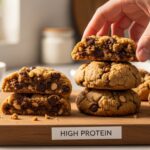

Most of us love a good chocolate chip cookie, but our stomachs do not always agree. Sugar crashes, bloating, and gluten sensitivity can turn a simple sweet treat into an afternoon of digestive regret.
If you have a sensitive stomach, you might think baked goods are completely off the menu. But what if you could eat a delicious, chewy dessert that actually supports your digestion? Enter **gut health sourdough cookies**.
By using the traditional art of fermentation, you can transform heavy, hard-to-digest cookie dough into a gut-friendly treat. You do not need to be a professional baker to make this happen. You just need a little bit of sourdough starter and some patience.
Key Takeaways
Adding sourdough starter to cookie dough helps break down gluten and starches.
Fermentation reduces phytic acid, allowing your body to absorb more nutrients.
Baking kills live probiotics, but the pre-digested dough remains incredibly easy on the stomach.
Cold-fermenting the dough for 24 to 72 hours is the secret to maximum digestive benefits.
Using whole-grain flours and natural sweeteners amplifies the gut-friendly properties.
Why Put Sourdough in a Cookie?
Sourdough is famous for making crusty, artisanal bread. However, the exact same wild yeast and lactic acid bacteria that make bread rise can work wonders in sweet baked goods.
When you mix flour and water, naturally occurring bacteria begin to ferment the mixture. This fermentation process alters the chemical structure of the flour.
When you add this active culture (or even unfed discard) to your cookie dough and let it rest, the bacteria go to work. They start breaking down complex carbohydrates and proteins before the cookie ever enters your mouth.
How Gut Health Sourdough Cookies Actually Work
To understand why these cookies are better for you, we need to look at the science of digestion and baking.
Breaking Down Phytic Acid
All grains contain a compound called phytic acid. This antinutrient binds to important minerals like zinc, iron, and magnesium, preventing your body from absorbing them.
Phytic acid is also notoriously hard on the human digestive tract. The lactic acid bacteria in sourdough neutralize phytic acid. This means your gut health sourdough cookies will not trigger the heavy, bloated feeling that regular cookies often cause.
The Gluten Reduction Factor
If you have non-celiac gluten sensitivity, standard all-purpose flour can cause serious discomfort. Sourdough fermentation acts like a pair of microscopic scissors, cutting up long gluten proteins.
While the cookies are not 100% gluten-free, the gluten structure is significantly weakened. Many people who struggle to digest regular cookies find that they can eat long-fermented sourdough cookies without any stomach pain.
Do Probiotics Survive the Oven?
This is the most common question about fermented baked goods. Probiotics are live bacteria, and they die when exposed to temperatures above 115°F (46°C). Your oven is much hotter than that.
So, baked cookies do not contain live probiotics. However, the benefits of the fermentation process remain intact. The dough is essentially pre-digested, and the baked cookies contain postbiotics—beneficial compounds left behind by the bacteria that still nourish your gut microbiome.
Essential Ingredients for a Digestion-Friendly Batch
To make truly gut-friendly cookies, you need to look beyond the sourdough starter. The other ingredients you choose will dictate how healthy the final product is.
1. Sourdough Discard or Active Starter
You can use either one. Discard is often preferred because it prevents waste and provides a slightly tangier flavor.
2. Whole Grain Flours
Instead of bleached white flour, opt for spelt, einkorn, or whole wheat. These ancient grains contain more fiber, which acts as a prebiotic to feed the good bacteria in your gut.
3. Natural Sweeteners
Refined white sugar feeds harmful gut bacteria and causes inflammation. Swap it out for coconut sugar, pure maple syrup, or raw honey. These alternatives have a lower glycemic index and contain trace minerals.
4. Healthy Fats
Use high-quality fats like grass-fed butter or unrefined coconut oil. Grass-fed butter contains butyrate, a short-chain fatty acid that directly supports the lining of your intestines.
The Secret is in the Resting Time
If you mix a sourdough cookie dough and bake it immediately, you will not get any gut health benefits. The magic requires time.
Once you mix your wet and dry ingredients, you must cover the dough and place it in the refrigerator. This is called cold fermentation.
For the best digestive results, leave the dough in the fridge for at least 24 hours. If you have severe digestive sensitivities, aim for 48 to 72 hours. The cold temperature slows down the yeast so the dough does not rise too much, but the lactic acid bacteria continue to break down the starches and gluten.
As a bonus, this long resting time hydrates the flour perfectly, resulting in a cookie with crispy edges and a deeply chewy center.
Gut-Boosting Add-Ins for Extra Benefits
You can easily upgrade your sourdough cookie dough by adding ingredients that actively support your microbiome.
Dark Chocolate Chunks: Choose chocolate with 70% cacao or higher. Dark chocolate is packed with polyphenols, which promote the growth of beneficial gut bacteria.
Rolled Oats: Oats are rich in beta-glucan, a soluble fiber that keeps your digestion moving smoothly and helps stabilize blood sugar.
Chopped Walnuts: Walnuts provide a massive dose of plant-based omega-3 fatty acids, which help reduce inflammation in the digestive tract.
Spices: Cinnamon and ginger are incredible for digestion. Ginger soothes the stomach, while cinnamon helps regulate insulin spikes after a sweet treat.
Common Mistakes When Baking Fermented Cookies
Even experienced bakers can run into trouble when combining sourdough with sweet treats. Avoid these common pitfalls to get the best results.
Skipping the Chill Time
Patience is non-negotiable. If you bake the dough immediately, it is just a regular cookie with a slightly sour taste. The long chill is what transforms it into a gut-friendly food.
Using Hot Melted Butter
Many cookie recipes call for melted butter. If your butter is too hot when you mix it with the sourdough starter, you will kill the beneficial bacteria before they have a chance to ferment the dough. Let melted butter cool to room temperature first.
Overbaking the Cookies
Sourdough baked goods tend to dry out faster than regular baked goods. Pull the cookies out of the oven while the centers still look slightly underdone. They will continue to set as they cool on the baking sheet.
A Healthier Way to Satisfy Your Sweet Tooth
Taking care of your digestive system does not mean you have to give up dessert forever. It just requires a smarter approach to baking.
By taking advantage of natural fermentation, you can bake a treat that satisfies your cravings without punishing your stomach. Gut health sourdough cookies offer the perfect balance of indulgence and mindful eating.
The next time you feed your starter, save that discard. Mix up a batch of dough, practice a little patience, and enjoy a dessert that works with your body instead of against it.
FAQ Section
Are gut health sourdough cookies completely gluten-free?
No. Sourdough fermentation significantly reduces the gluten content by breaking down the proteins, but it does not eliminate it. They are often safe for people with mild gluten sensitivities, but they are not safe for anyone with Celiac disease.
Do baked sourdough cookies still have live probiotics?
No, the heat of the oven kills live probiotics. However, the cookies still offer massive gut health benefits because the fermentation process pre-digests the starches, lowers phytic acid, and creates helpful postbiotics.
Can I use unfed sourdough discard straight from the fridge?
Yes! Unfed discard is actually perfect for cookies. Because cookies rely on baking soda or baking powder for their rise, you do not need the wild yeast in the starter to be highly active.
How long should I chill the dough for the best digestive benefits?
For noticeable digestive benefits, chill the dough in the refrigerator for at least 24 hours. For maximum breakdown of gluten and phytic acid, leave the dough in the fridge for 48 to 72 hours before baking.
Will the cookies taste extremely sour?
Not necessarily. While there is a slight tang, the sweetness of the sugar and the richness of the butter balance it out. A 24-hour ferment leaves a very mild flavor, while a 72-hour ferment will create a deeper, more pronounced sourdough flavor.