
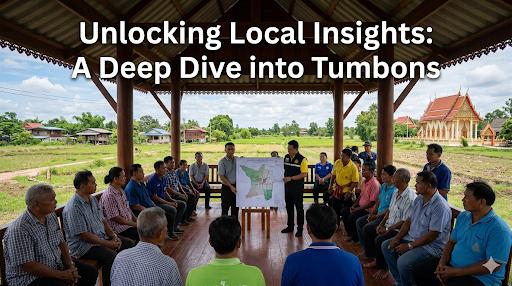
Have you ever wondered about the building blocks of local administration? Understanding these fundamental units is key. It lets you understand how local services function. This article will explore the concept of “tumbons”. We will cover their significance and structure. We will also discuss how they operate within their larger administrative context.
What is a Tumbon?
A tumbon is a local administrative division, often found in Thailand and other Southeast Asian countries. Consequently, it serves as a crucial link. It connects the central government with the people on the ground. Tumbons are typically smaller than districts (amphoes). However, they are larger than villages (mubans). Thus, they represent a middle ground in the administrative hierarchy. For example, consider the role of a tumbon chief. They act as a local representative. They convey the needs of the community to the government.
Key Characteristics of a Tumbon
- **Geographical Area:** A defined geographical area comprises a tumbon. Consequently, this area encompasses several villages or parts of villages.
- **Population:** Tumbons have a certain population size. This population can vary widely. The size depends on the region and its population density.
- **Administrative Structure:** Each tumbon has an administrative body. This body is responsible for local governance. Also, it is responsible for service delivery.
- **Local Services:** Tumbons facilitate essential services. For example, these services include sanitation, basic infrastructure, and primary education.
The Role of Tumbons in Local Governance
Tumbons play a vital role in the overall governance structure. This role is particularly important in decentralized systems. Consequently, they provide a platform for local participation. Also, they allow for better resource allocation. Let’s consider some key aspects of their role.
Local Administration
Tumbons are responsible for local administration. This includes tasks such as maintaining local infrastructure. It also includes managing public health. Therefore, they contribute significantly to the quality of life. In this way, tumbons facilitate essential functions.
Community Development
Tumbons are often involved in community development projects. These projects can range from building schools. Also, they involve improving irrigation systems. For instance, a tumbon might organize a clean-up drive. They might also promote local businesses. Consequently, this creates opportunities for local residents.
Coordination with Higher Authorities
Tumbons serve as a link between local communities and higher levels of government. They coordinate with district authorities. Furthermore, they work with provincial administrations. Therefore, this ensures that local needs are addressed effectively. In this way, tumbons facilitate communication.
Challenges Faced by Tumbons
Despite their crucial role, tumbons face several challenges. These challenges can affect their ability to function effectively. Here are some common issues:
- **Limited Resources:** Tumbons often have limited financial and human resources. This can hinder their ability to implement projects. Also, it limits their ability to deliver services. Consequently, it restricts their potential impact.
- **Capacity Building:** Local administrators may require additional training. They might need more resources. This will help improve their skills. They can also improve their knowledge. Therefore, this is a necessity.
- **Coordination Issues:** Coordination between different levels of government can be challenging. This may result in delays. Consequently, it may also cause inefficiencies in service delivery.
- **Transparency and Accountability:** Ensuring transparency. Also, ensuring accountability in local governance is essential. It is vital for maintaining public trust. Therefore, establishing robust mechanisms is necessary.
The Future of Tumbons
The future of tumbons depends on several factors. It depends on how effectively they can address the challenges. Also, it depends on how they adapt to changing needs. Here are some potential developments:
Increased Decentralization
Governments may further decentralize power. This will give tumbons more autonomy. They will have more resources. Consequently, this could lead to more effective local governance. For example, tumbons might gain more control over local budgets. They could also make decisions about local projects.
Use of Technology
Technology can play a significant role in improving tumbon administration. For instance, digital platforms can streamline service delivery. They can also enhance communication with residents. In this case, online portals could provide information. They could also allow citizens to report issues.
Community Participation
Encouraging greater community participation is vital. This is important for ensuring that tumbons are responsive to local needs. Therefore, public forums and consultations can help. They can also help inform decision-making. In this way, tumbons would be more reflective of their communities.
Frequently Asked Questions (FAQ)
-
What is the difference between a tumbon and an amphoe?
An amphoe is a district. A tumbon is a smaller administrative division within that district. Therefore, an amphoe is larger. It encompasses several tumbons.
-
Who is in charge of a tumbon?
A tumbon is typically led by a chief. This person is often assisted by an administrative council. This council oversees local affairs. Also, they implement government policies.
-
What kind of services do tumbons provide?
Tumbons offer various essential services. For example, these include waste management, road maintenance, and primary education. They also handle public health. Consequently, they cover a wide array of community needs.
-
How can I get involved in tumbon activities?
You can participate in community meetings. You can volunteer for local projects. Also, you can communicate your concerns to tumbon officials. Therefore, staying informed. Also, actively engaging. This is essential. It will make a difference.
What are some common challenges tumbons face?
Tumbons commonly face challenges. These include limited resources, capacity constraints, and coordination issues. Addressing these obstacles is essential. This allows them to function effectively.
Conclusion
Tumbons are essential components of local governance. They act as a vital link between the government. They also serve the local communities. Consequently, understanding their role. Also, recognizing their challenges. This is important for fostering effective local administration. Tumbons facilitate a more responsive government. They do this by improving community involvement. Also, they facilitate local service delivery. With ongoing support and innovation, they can further strengthen their contribution.